
⭐️ ⭐️ ⭐️ ⭐️ ⭐️/5
This site contains affiliate links to products. I may receive a commission for purchases made through these links
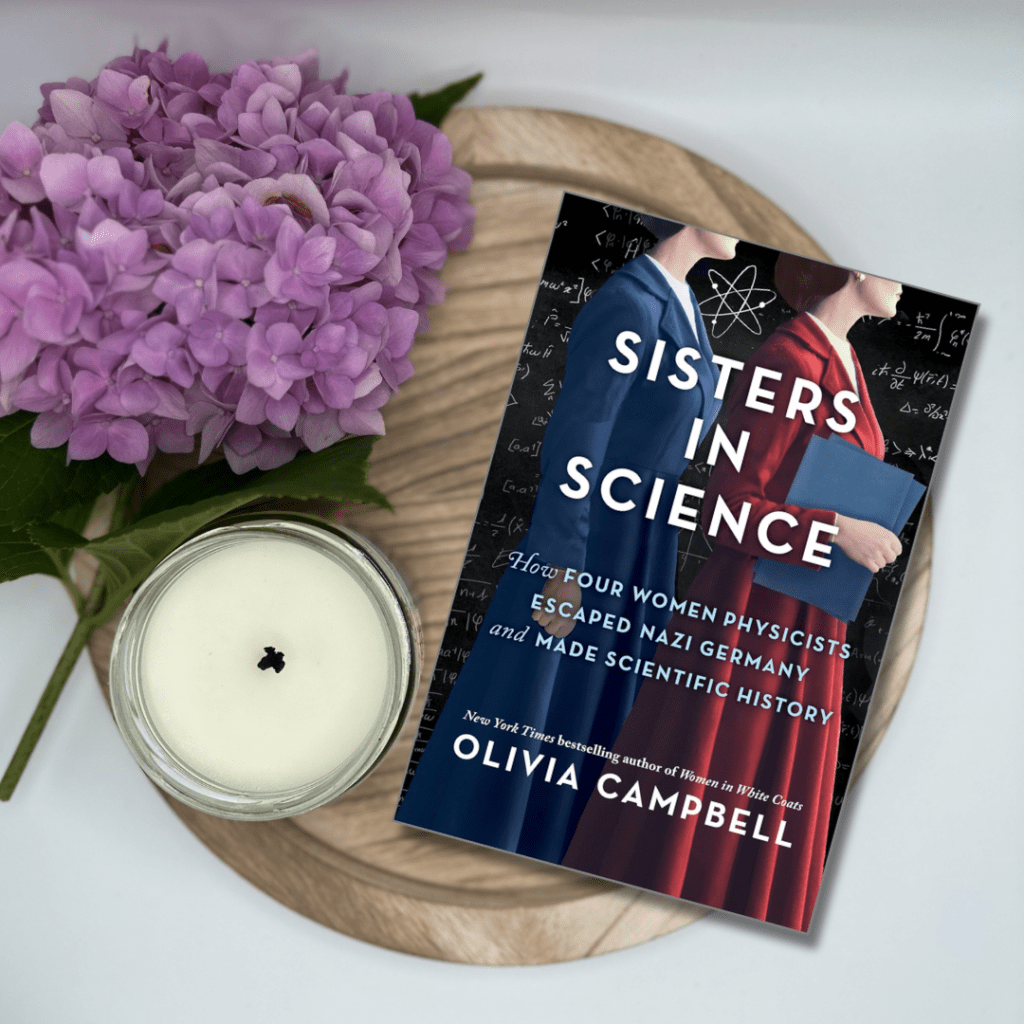
Sisters in Science is an extraordinary narrative that sheds light on the lives of four remarkable women—Hedwig Kohn, Lise Meitner, Hertha Sponer, and Hildegard Stücklen—who defied the oppressive forces of Nazi Germany to leave a lasting impact on the world of science. Olivia Campbell offers a deeply researched and compelling account of their experiences, blending historical detail with a keen sense of storytelling.
This book takes readers into the tumultuous period of World War II, a time when the Nazi regime systematically persecuted individuals based on their religion, ethnicity, and political ideologies. For these four women—brilliant physicists and chemists—the stakes were particularly high. They faced not only the danger of persecution but also the erasure of their scientific contributions in a field dominated by men.
• Hedwig Kohn found refuge in Sweden, where she was able to continue her work in physics despite the challenges of exile.
• Lise Meitner, co-discoverer of nuclear fission, fled to Sweden and then to the United States, where her groundbreaking research would lay the foundation for future discoveries in atomic science.
• Hertha Sponer made her way to the United States and became one of the first female professors at Duke University, where her contributions to molecular physics broke barriers for women in academia.
• Hildegard Stücklen, though less known, played a vital role in advancing the fields of physical chemistry and spectroscopy during her exile.
What makes Sisters in Science truly stand out is its balance between detailed historical context and personal stories. Campbell doesn’t just focus on the challenges these women faced; she also celebrates their triumphs and enduring legacies. Their exile wasn’t just a flight for survival—it was a testament to their resilience and dedication to their work.
The book’s pacing is excellent, weaving historical events with the personal journeys of each scientist. Olivia Campbell’s meticulous research is evident in every chapter, but she manages to avoid making the narrative feel heavy or overly academic. Instead, readers are invited to feel the urgency, despair, hope, and triumph these women experienced as they rebuilt their lives and careers in foreign lands.
What resonates most is the sheer humanity of their stories. These women were not just scientists; they were pioneers who refused to let an oppressive regime dictate their destinies. Their determination to pursue truth and knowledge, even in the face of unimaginable odds, is deeply inspiring.
Campbell also brings attention to an important issue: the lack of recognition for women’s contributions in science. While these four women achieved remarkable feats, their names are often overshadowed by their male contemporaries. This book is a much-needed acknowledgment of their place in history and a reminder of how far we’ve come—and how far we still have to go—in achieving gender equality in STEM fields.
The writing is accessible yet rich in detail, making Sisters in Science an ideal read for both casual readers and those with a deep interest in history, science, or women’s studies. The inclusion of photographs, letters, and archival material adds another layer of authenticity and depth, helping readers connect with the women on a more personal level.
I cannot recommend Sisters in Science highly enough. It is a powerful and inspiring reminder of the strength of the human spirit and the vital role of women in shaping our understanding of the world. Whether you’re a history enthusiast, a science lover, or someone simply looking for an inspiring read, this book will leave you enriched and in awe of the incredible resilience and brilliance of these women.
A special thank you to Olivia Campbell, NetGalley, and Harlequin Trade Publishing for the opportunity to read this incredible book. It’s a work that will stay with me for a long time.
On sale now, you can get your copy here.
 Feed The Bookworm