This site contains affiliate links to products. I may receive a commission for purchases made through these links at no additional cost to you.
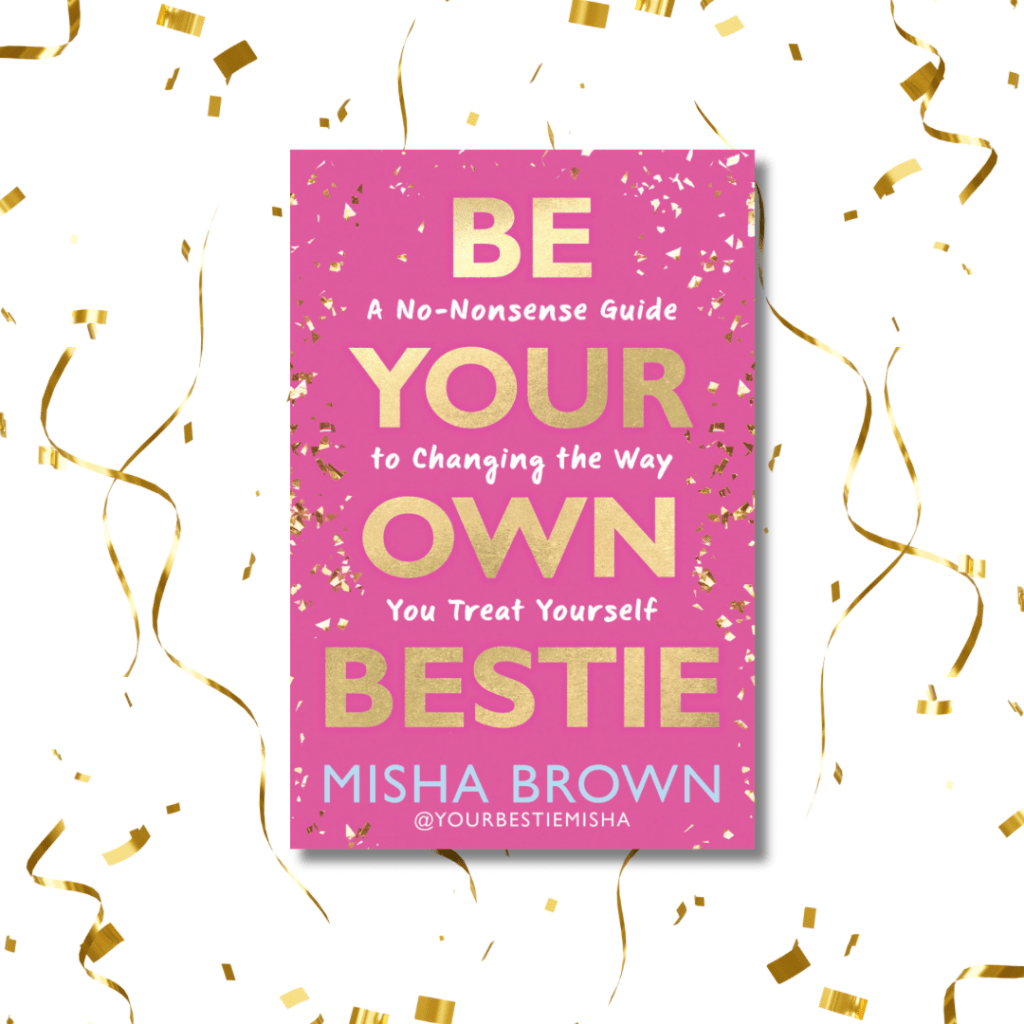
Like many people who picked up Be Your Own Bestie, I first discovered Misha Brown through his videos online. What immediately stood out to me was his ability to be completely himself while confidently standing up to bullies. That kind of authenticity takes courage, especially for those of us who tend to be people pleasers.
As someone who struggles with worrying about whether others are upset with me, a lot of what Misha talks about resonated deeply. It took me a long time to realize that other peopleâs reactions are not always my responsibility, and hearing that message reinforced in such an encouraging way felt both validating and empowering.
Part memoir, part self-help, and full of Mishaâs signature sass, humor, and heartfelt honesty, it was an easy and quick read. Throughout the book he expands on many of the stories and moments that made his social media videos so popular, sharing the experiences and lessons behind them.
I listened to the audiobook version, which Misha narrates himself, and Iâm so glad I did. Thereâs something special about hearing an author tell their own story, and his energy and personality come through beautifully. I especially loved the way he talks about his relationship with his mom. As someone who also calls their mom when things go right, wrong or somewhere in between,I completely related.
At its heart, this book is a reminder to do the work. To put in the effort to heal, grow, and learn to treat yourself with the same kindness you give everyone else.
Be Your Own Bestie is a ray of sunshine filled with positivity, encouragement, and plenty of laughs. If youâre on a journey of self-discovery or looking for a motivating and uplifting self-improvement read, this is absolutely one to add to your list, even if youâre discovering Misha for the first time
This site contains affiliate links to products. I may receive a commission for purchases made through these links at no additional cost to you.
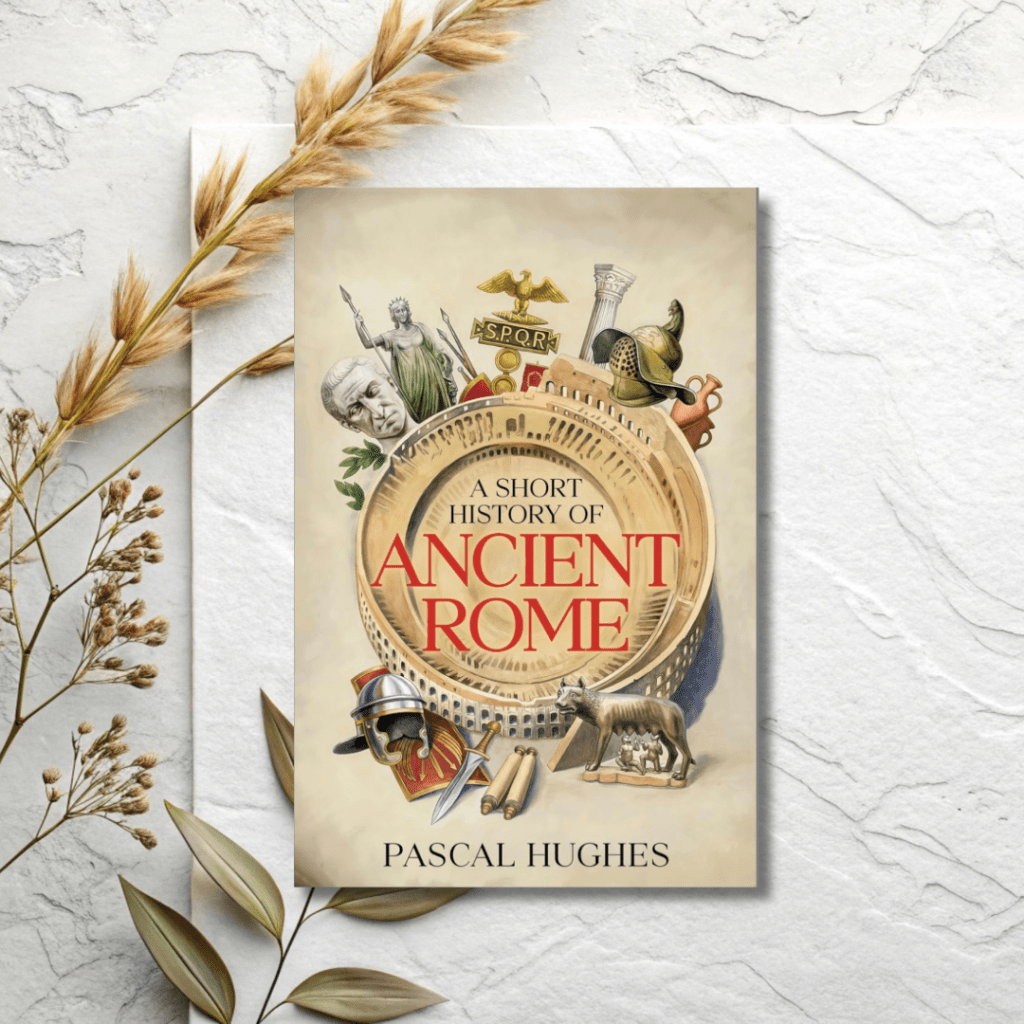
If youâre a fan of the Short History Of⌠podcast from Noiser, youâre probably going to enjoy this book quite a bit. Full disclosure right up front: there is a fair amount of crossover between the podcast and the book, particularly in tone and some of the stories. If youâre a longtime listener, some moments will feel familiar, but it never felt repetitive in a way that bothered me. Instead, it felt like a more complete, more polished version of something I already enjoyed.
What Hughes manages to do here is no small thing. While Edward Gibbonâs The Decline and Fall of the Roman Empire famously stretches into the thousands of pages depending on the edition, Hughes distills roughly 1,000 years of Roman history â from its legendary beginnings to the fall of the Western Empire â into about 350 pages across 18 chapters. That kind of compression could easily feel rushed or shallow, but this book never does.
The writing is clear, confident, and very readable. Hughes blends solid historical research with anecdotal, narrative storytelling that keeps things moving without sacrificing substance. Iâm a big fan of narrative history, and this book strikes a nice balance: itâs informative without being dense, and engaging without feeling like itâs oversimplifying the material. You can tell itâs written for curious readers, not academics, but it still respects the history.
Readers get the full sweep of Romeâs story, starting with the mythical founding of the city through Romulus and Remus, moving through the Republic, and into the drama, ambition, and excess of the Imperial period. Along the way, Hughes highlights familiar figures and moments â Hannibal crossing the Alps, Julius Caesarâs rise and fall, and all the intrigue surrounding Cleopatra â grounding big historical shifts in human stories. Even if Roman history isnât something youâve studied deeply, youâll recognize plenty here and never feel lost.
One of the bookâs biggest strengths is that it avoids feeling like a textbook. This isnât one of those history books you were forced to read in school and promptly forgot. The pacing is strong, the chapters are manageable, and the storytelling keeps you engaged even when covering complex political or social changes. Itâs the kind of history book that makes you want to keep reading rather than checking how many pages are left in the chapter.
I also listened to the audiobook version, which I highly recommend. The narration leans into the storytelling aspect, making it feel less like a lecture and more like someone walking you through the story of Rome. For a book like this â broad in scope but focused on narrative â the audio format works especially well.
Overall, A Short History of Ancient Rome is an accessible, engaging introduction to one of the most influential civilizations in history. Itâs a great choice for readers who enjoy history told as a story, and especially for fans of the Short History Of⌠podcast who want a deeper, more sustained dive into ancient Rome.
Thank you so much to the author, Pascal Hughes, Netgalley and Harlequin Trade Publishing | Hanover Square Press for the ARC copy of this book.
A Short History of Ancient Rome by Pascal Hughes is out now! You can grab your copy here.
This site contains affiliate links to products. I may receive a commission for purchases made through these links at no additional cost to you.
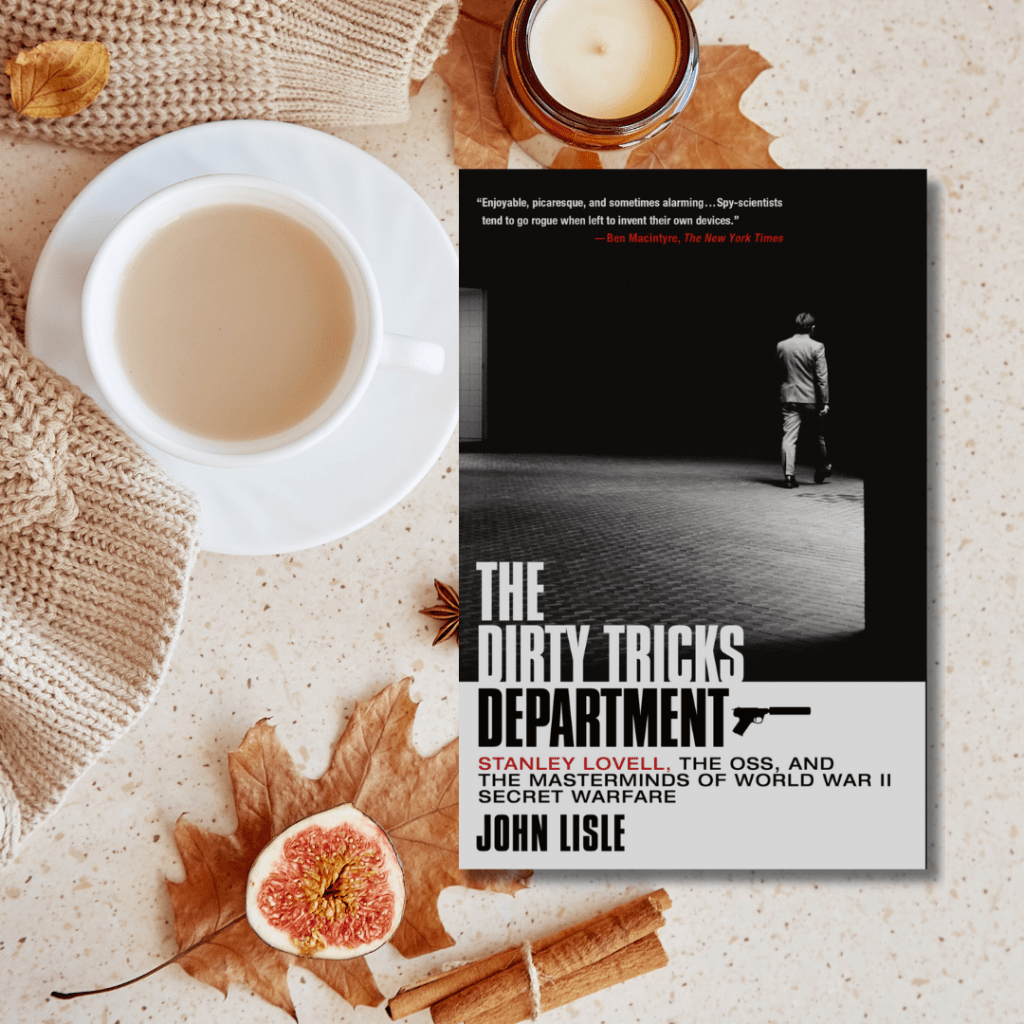
If youâve ever wondered how the CIA came to be, John Lisleâs The Dirty Tricks Department: Stanley Lovell, the OSS, and the Masterminds of World War II Secret Warfare is a must-read. Lisle takes readers deep into the world of the Office of Strategic Services (OSS), the wartime precursor to the CIA, and introduces us to Stanley Lovell â a brilliant scientist turned unlikely spymaster.
What makes this book so compelling is how it balances solid historical research with a fast-paced, engaging narrative. Lisle doesnât just recount events; he pulls us right into the secret labs and field missions where some of the wildest ideas in warfare were dreamed up. From the infamous âbat bombâ project to experiments with glowing foxes designed to spook enemy soldiers, the inventions Lovellâs team produced range from ingenious to downright bizarre. And yet, Lisle weaves these stories so smoothly into the larger history of WWII intelligence that the book never feels like itâs bogging down in trivia â instead, it stays sharp, entertaining, and even a little shocking at times.
What stood out most to me was how the book traces the OSSâs influence on the birth of the CIA. By spotlighting Lovellâs work, Lisle shows not only the creativity behind these âdirty tricks,â but also the ethical questions that haunted those who created them. Itâs a reminder that intelligence work has always existed in a gray zone between necessity and morality.
In short, The Dirty Tricks Department is both informative and wildly entertaining. Itâs history written with the pace of a spy thriller â the kind of book that makes you keep turning pages (or in my case, keep listening) long past when you meant to stop. If youâre fascinated by espionage, World War II history, or the origins of modern intelligence, this is a five-star read that belongs on your list.
Thank you so much to the author, John Lisle, Netgalley and St. Martin’s Press for the ARC copy of this book.â
The The Dirty Tricks Department: Stanley Lovell, the OSS, and the Masterminds of World War II Secret Warfare is out now! You can grab your copy here.
This site contains affiliate links to products. I may receive a commission for purchases made through these links

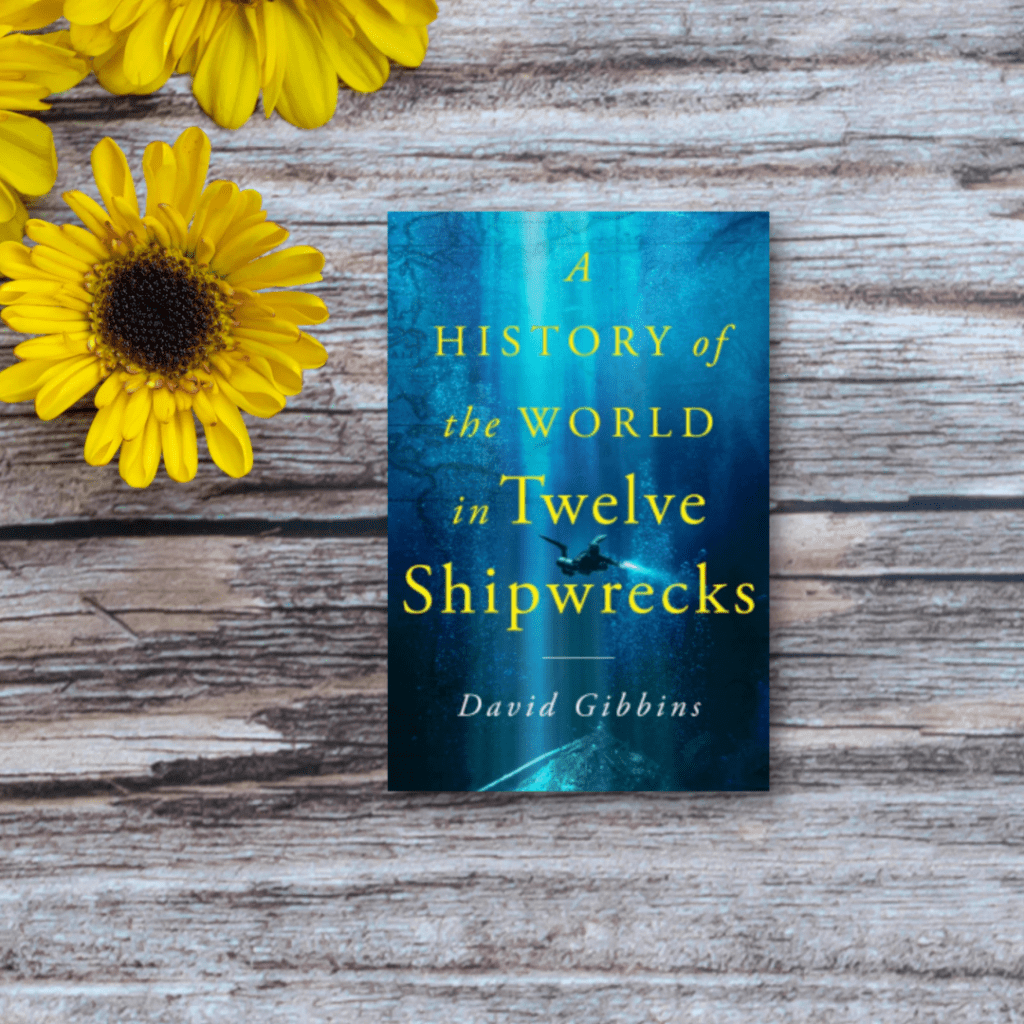
Okay, I was not expecting to be this obsessed with a book about shipwrecks, but here we are. David Gibbins absolutely nailed it with A History of the World in Twelve Shipwrecks. Itâs like National Treasure met Master and Commander and had a book babyâwith Gibbins playing the role of the charming professor who also happens to scuba dive in his spare time. (Yes, he really dove to some of these wrecks himself. The man is basically Indiana Jones in a wetsuit.)
Each chapter takes a shipwreck and uses it as a portal into world historyâBronze Age trade, Viking raids, the freakinâ Industrial Revolution, and even Nazi U-boats. And it should be dry, right? Like, this book has no business being this good. Itâs fact-dense, loaded with historical details, and somehow still manages to be unputdownable.
What I really loved is how personal it felt. Gibbins doesnât just list dates and sunken hullsâhe brings us along for the dive. You feel the chill of the water, the adrenaline of discovery, and the thrill of connecting a rusted sword or a hull full of brass pins back to the rise and fall of civilizations.
So if youâre into history, adventure, archaeology, or just want to read something that makes you smarter and cooler at dinner parties, this book is your new favorite.
This site contains affiliate links to products. I may receive a commission for purchases made through these links
As an older millennial, I vividly remember receiving my first Nintendo NES system. What I didnât realize at the time was that my parents were secretly taking the consoleâand Super Mario Bros.âout every night to play, then hiding it back in the closet until Christmas morning.
My mother jokingly calls herself an vid-diot and loves games of all kinds. Card games, board games, video games, sheâs down to play. She was the kind of mom who, if you said, âHey Mom, Iâm on level eight. Iâm almost at Bowserâs castle. I have 99 lives and a full inventoryâcan you please leave the TV on for me?ââthere was a 50/50 chance that youâd either wake up to find sheâd beaten the game, or that the TV was still on, patiently waiting for you to finish. If you asked my dad the same thing, heâd likely get confused and accidentally turn the TV off. It was never maliciousâhe just never really got video games the way my mom did.
Good Game, No Rematch is both a history of video games and a subtle, hilarious biography of every awkward millennial adult trying to navigate modern life. One of my favorite quotes from the book is: âTry being a people-pleaser who doesnât understand how to peopleââa line that perfectly encapsulates my life. The book traces the evolution of video games from the perspective of the millennial generation, for whom the NES was a defining piece of childhood. Many books on video game history attempt to cram too much into one volume. While that can be ambitious, it often makes the narrative overwhelming or dry. This book smartly narrows its focus, making the material engaging and accessible throughout.
Before reading this, I didnât know much about Mike Drucker. Iâm not a huge TV person, so I hadnât connected his name to the well-known shows heâs written for. But now, Iâm off to explore his body of work. His writing is sharp, witty, and genuinely funnyâit makes you feel like you want to hang out with him. (Well, sort ofâIâm kind of agoraphobic and not particularly fond of leaving the house.)
In any case, if you grew up playing video games, love reading, and find comfort in shared nostalgiaâor youâre just trying to survive adulthood as an elder millennialâthis book is absolutely for you.
This site contains affiliate links to products. I may receive a commission for purchases made through these links
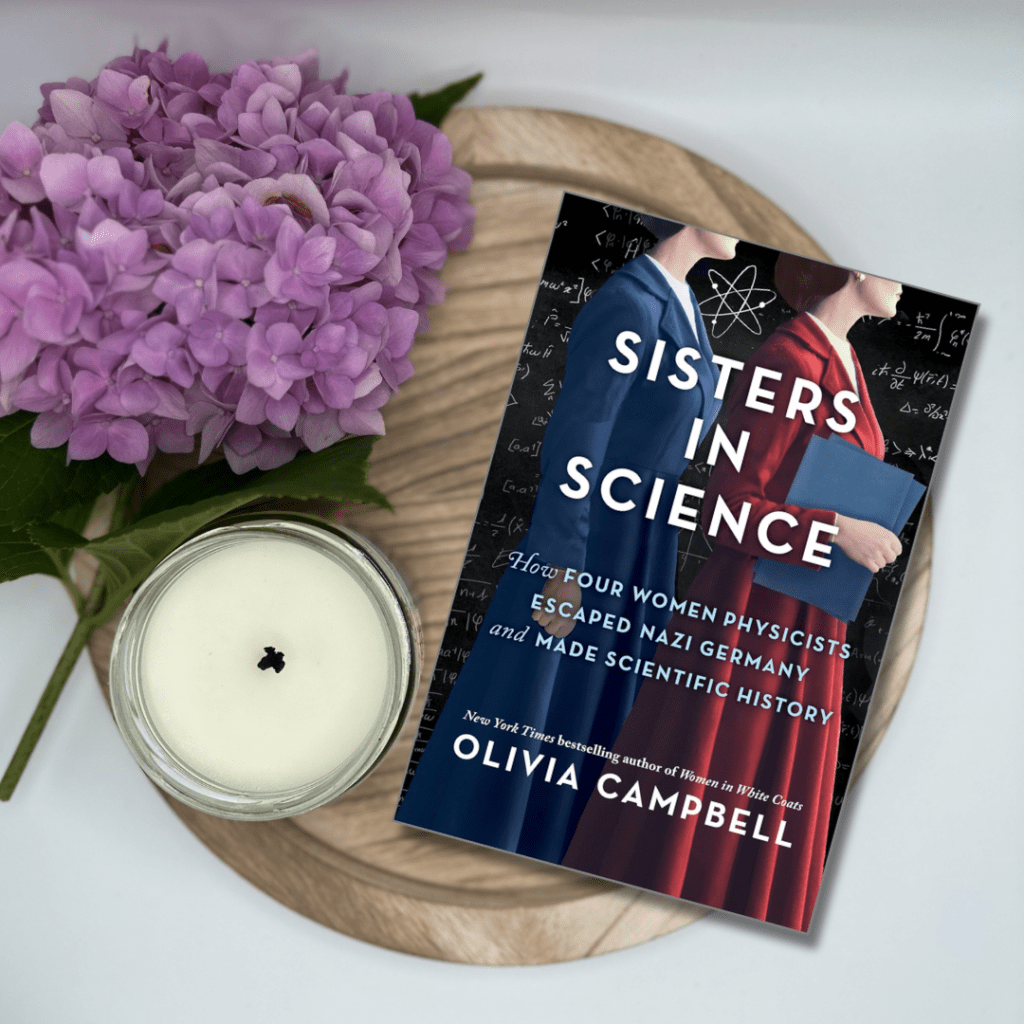
Sisters in Science is an extraordinary narrative that sheds light on the lives of four remarkable womenâHedwig Kohn, Lise Meitner, Hertha Sponer, and Hildegard StĂźcklenâwho defied the oppressive forces of Nazi Germany to leave a lasting impact on the world of science. Olivia Campbell offers a deeply researched and compelling account of their experiences, blending historical detail with a keen sense of storytelling.
This book takes readers into the tumultuous period of World War II, a time when the Nazi regime systematically persecuted individuals based on their religion, ethnicity, and political ideologies. For these four womenâbrilliant physicists and chemistsâthe stakes were particularly high. They faced not only the danger of persecution but also the erasure of their scientific contributions in a field dominated by men.
⢠Hedwig Kohn found refuge in Sweden, where she was able to continue her work in physics despite the challenges of exile.
⢠Lise Meitner, co-discoverer of nuclear fission, fled to Sweden and then to the United States, where her groundbreaking research would lay the foundation for future discoveries in atomic science.
⢠Hertha Sponer made her way to the United States and became one of the first female professors at Duke University, where her contributions to molecular physics broke barriers for women in academia.
⢠Hildegard Stßcklen, though less known, played a vital role in advancing the fields of physical chemistry and spectroscopy during her exile.
What makes Sisters in Science truly stand out is its balance between detailed historical context and personal stories. Campbell doesnât just focus on the challenges these women faced; she also celebrates their triumphs and enduring legacies. Their exile wasnât just a flight for survivalâit was a testament to their resilience and dedication to their work.
The bookâs pacing is excellent, weaving historical events with the personal journeys of each scientist. Olivia Campbellâs meticulous research is evident in every chapter, but she manages to avoid making the narrative feel heavy or overly academic. Instead, readers are invited to feel the urgency, despair, hope, and triumph these women experienced as they rebuilt their lives and careers in foreign lands.
What resonates most is the sheer humanity of their stories. These women were not just scientists; they were pioneers who refused to let an oppressive regime dictate their destinies. Their determination to pursue truth and knowledge, even in the face of unimaginable odds, is deeply inspiring.
Campbell also brings attention to an important issue: the lack of recognition for womenâs contributions in science. While these four women achieved remarkable feats, their names are often overshadowed by their male contemporaries. This book is a much-needed acknowledgment of their place in history and a reminder of how far weâve comeâand how far we still have to goâin achieving gender equality in STEM fields.
The writing is accessible yet rich in detail, making Sisters in Science an ideal read for both casual readers and those with a deep interest in history, science, or womenâs studies. The inclusion of photographs, letters, and archival material adds another layer of authenticity and depth, helping readers connect with the women on a more personal level.
I cannot recommend Sisters in Science highly enough. It is a powerful and inspiring reminder of the strength of the human spirit and the vital role of women in shaping our understanding of the world. Whether youâre a history enthusiast, a science lover, or someone simply looking for an inspiring read, this book will leave you enriched and in awe of the incredible resilience and brilliance of these women.
A special thank you to Olivia Campbell, NetGalley, and Harlequin Trade Publishing for the opportunity to read this incredible book. Itâs a work that will stay with me for a long time.
This site contains affiliate links to products. I may receive a commission for purchases made through these links
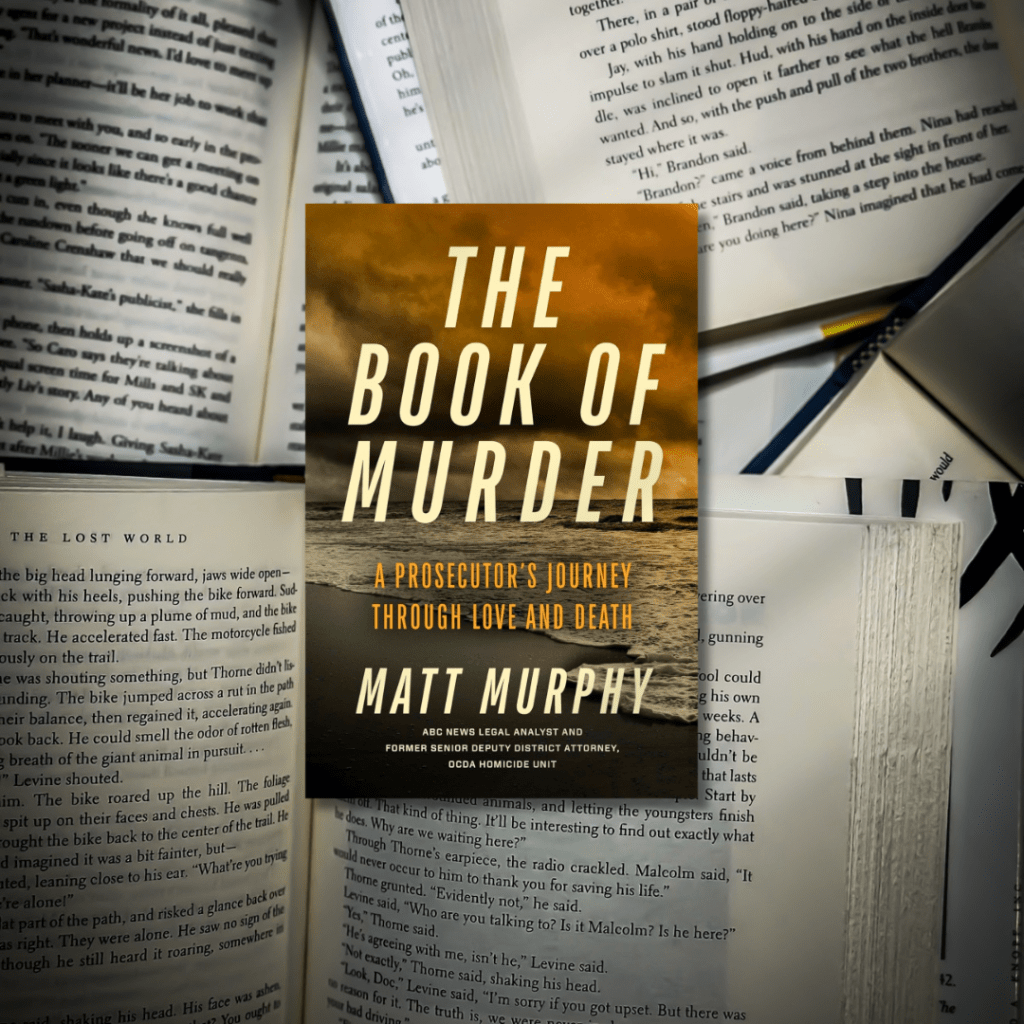
The Book of Murder by Matt Murphy is a must-read for all true crime junkies out there. Law and forensic investigation have always fascinated me, and Murphyâs extensive experience with high-profile cases makes this book an absolute page-turner. You might recognize his nameâMurphy was the prosecutor who put Dirty John behind bars, as well as Skylar Deleon and Rodney Alcala. Others may know him as a frequent guest on 20/20 or Good Morning America.
This book is part autobiography, part dos and donâts of being a prosecutor, and part history of the horrific cases Murphy has worked on. Heâs brutally honest about the toll his work took on his mental health, personal life, and relationships. His vulnerability and the regrets that came with throwing his entire life into his career add a raw and personal element to the story. Murphy gives readers an inside look at the emotional and mental strain of relentlessly fighting for justice.
I hesitate to call this an âenjoyableâ read because the nature of the crimes Murphy prosecuted is so horrific but once I started reading, I was hookedâtotally invested and unable to stop. His ability to bring criminals to justice is riveting, and his strong, clear voice makes him a master storyteller. If youâre a diehard true crime fan, you do not want to pass this one up. Even if true crime isnât your usual go-to, this book is still worth diving into.
Murphy also shows a great deal of respect for his colleagues, even those on the other side of the courtroom. Often, you hear about bad blood between prosecutors and defense attorneys, but he seems to have genuine admiration for everyone involved in the processâfrom judges to fellow prosecutors and even defense attorneys.
I found myself constantly Googling the names, trying to put faces to the victims, heroes, and perpetrators alike. It felt like being in a twilight zoneâtotally invested and impossible to deter. This book offers an intense, all-consuming read, providing a gripping and insightful view into the life of a prosecutor who dedicated himself to seeking justice. Highly recommend!
As always, I encourage you to read this one for yourself and formulate your own opinion. Thank you to the author Matt Murphy, the publisher Hyperion Ave and NetGalley for the ARC copy of this book!
On sale now, you can click here for the book, or HERE for the author narrated audio book (highly recommend!)
Itâs safe to say that I added this book to my TBR as soon as I saw it was published. I practically grew up with Gilmore GirlsâRory and I are only a year apart in the show, and as a fellow bookworm, I strongly identified with her. (Not so much watching the show as an adult, but that’s another story/rant.) Having already devoured Lauren Grahamâs book a few years ago, I was excited to see a side of the show from the perspective of the iconic Emily Gilmore. To say I didnât fully appreciate who Kelly Bishop was and what she meant to the world of theater and performing arts is an understatement. Also, how did I forget she was Baby’s mom?! I thought it was pretty cool that she was actually supposed to have a small role in Dirty Dancing, but when she got there, the actress they hired to play Marjorie Houseman was let go and she was offered the role.
When youâre attached to a character, especially one from a show or movie that has been so defining in your life, itâs hard to see them as anything else. I was particularly eager to get to the part of the book where Kelly discusses Gilmore Girls. However, I soon realized that she had lived an incredibly rich and fascinating life long before the show, which was just as compelling to read about. Kelly is upfront and brutally honest, admitting to mistakes and experiences that Emily would never have dreamed of.
When we finally reached the portion of the book dedicated to Gilmore Girlsâwhat I consider to be the âmeatyâ partâit was heartwarming to hear how she talks about Alexis Bledel and Lauren Graham. Itâs clear that although they were a TV family, they remain a real family to her. Her description of the kindness shown to her by Ed Hermanâs wife in his final days brought tears to my eyes. I was also delighted to find out that some of my favorite Emily Gilmore scenes, such as when she tears down Shira Huntsberger and has a meltdown over Trixâs funeral arrangements, are also Kellyâs favorites.
This book is a must-read for all Gilmore Girls fans. Iâm truly blown away by the life this amazing woman has lived. I grappled with whether to get the audio book or a hard copy and ended up choosing the audio book. It felt like Emily Gilmore was reading to me the entire time, and it was incredibly relaxing to listen to. I will eventually get a physical copy as a shelf trophyâitâs just too good not to. Kelly Bishop is an incredible lady, and Iâm so glad she decided to share her life with us. Some of the things Kelly did in her life are so un-Emily-like that I couldnât help but laugh, imagining how Emily would react if she knew just how scandalous the actress playing her really was!
On sale now, you can grab your physical copy here or the digital copy here!
This site contains affiliate links to products. I may receive a commission for purchases made through these links
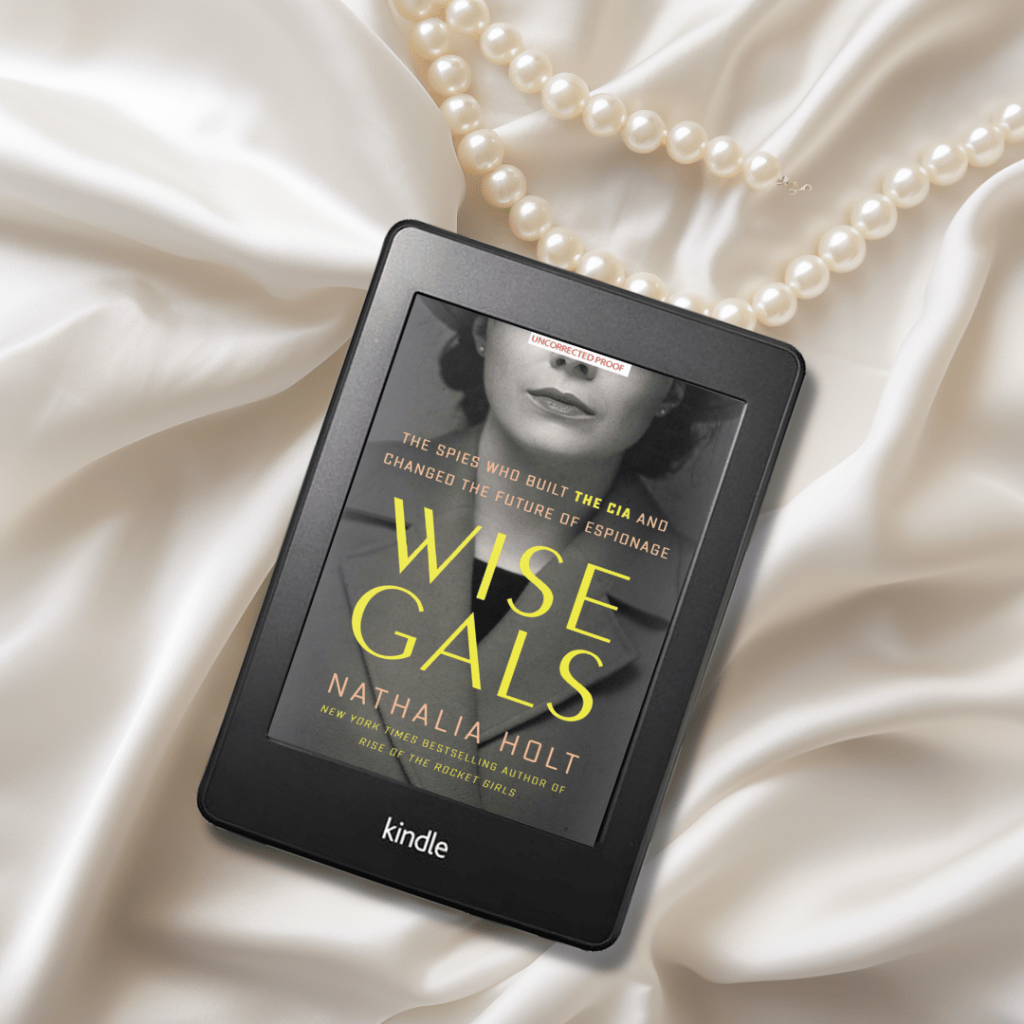
Nathalia Holt, a New York Times bestselling author renowned for uncovering untold stories, delivers another gem with Wise Gals: The Spies Who Built the CIA and Changed the Future of Espionage. Diving into the hidden history of the CIA’s early days, the book introduces readers to four extraordinary womenâAdelaide Hawkins, Mary Hutchison, Eloise Page, and Elizabeth Sudmeierâwho defied societal norms to play pivotal roles in the Agency’s formation and operations.
These aren’t your average femme fatales from spy novels or the stereotypical honey traps that normally come to mind when you think about female spies. No, these women are intellectual powerhouses with nerves of steel. Their remarkable stories span from World War II through the Cold War era, touching on ongoing international crises. In what was described as a “male, pale, and Yale” dominated workspace, Adelaide’s cryptographic genius, Mary’s diplomatic skills, Elizabeth’s daring field intelligence, and Eloise’s groundbreaking scientific contributions all shine through.
What sets this book apart is Holt’s meticulous research, evident on every page. Drawing from first-hand interviews and declassified documents, Holt doesn’t give readers a James Bond-esque narrative but instead offers a grounded account of these women’s determination and significant contributions. This includes crucial roles in predicting the Soviet Union’s early development of atomic capabilities and intelligence gathering that contributed to the Cuban missile crisis.
However, the book doesn’t shy away from the grim realities these extraordinary women faced, particularly their battles for equal pay and recognition in a notoriously misogynistic environment. A poignant example is Jane Burrell, another key figure who has yet to receive a star on the CIA’s Memorial Wallâan oversight that Holt brings into focus.
Wise Gals serves as a significant addition to both historical non-fiction and discussions about the challenges and triumphs of women in the workforce. Reading it leaves you with a complicated mix of pride for these women’s achievements and frustration at the societal barriers they had to fight. Itâs a fight many continue to this day. While the book may not offer high-octane thrills, it provides a long-overdue homage to these unsung heroines of American history. Whether you’re interested in untold stories of women instrumental to our country’s security or simply a well-crafted narrative, this book is an excellent read.
A huge thank you to the author Nathalia Holt not only for an advanced copy of this book, but for shedding light on these crucial but long-overlooked narratives. And thank you to the publisher Penguin and NetGalley for the ARC copy of this book.
As always, I encourage you to read this one for yourself and formulate your own opinion.
On sale now, you can get your copy by clicking Here
Please note that this post may contain affiliate links, which are no cost to you but do give me a small payout if you choose to purchase via the link on the page.
ââââ
Rating: 4 out of 5.
The Rundown: An indepth look at the history of ocean travel as told through the stories of the women who went to sea.
Written by Sian Evans, Published 2021
I have always been enamored with history, so I’m always looking for a good historical book that isn’t too dry. Sian Evans does a wonderful job of taking us on a journey through history via the monumental innovation of transatlantic cruising.
We begin in the roaring ’20s and move through the first world war, the depression that followed, the second world war, the aftermath, and finally the death of crossing the Atlantic due to the advancement of air travel. Women were not historically welcome on ships, but at the end of WWII, there was a shortage of men in Great Britain, where many of the women in this book hail from. Not to mention that many women were galvanized into the workforce when their husbands, brothers, and fathers went to war. Many were reluctant to give up the freedom they had achieved by earning a paycheck. And when the sea called, they answered.
We meet the “unskinable” Violet Jessop, who was a stewardess on the Olympic, Titanic, and Britannic when they were damaged. The Olympic struck another ship, no fatalities, the Titanic, an iceberg (and we all know what happened there, ) and the Britannic when it was acting as a hospital ship and was sunk with 30 fatalities. Her stories are featured prominently through the book, as she published a memoir.
While Jessop was up working mostly with the first and second-class passengers, we also hear the story of Maria Riffelberger, who worked down in steerage with the 3rd class passengers, helping usher them into their new lives as American citizens. Many times she accompanied minors making the perilous journey across the vast ocean.
We also meet many women of leisure, refugees of the 2nd world war, political figures, and even the story of an Irish immigrant seeking a new life in America, whose son soars to the top of American politics.
All in all, I found this a very enjoyable, informative, and easy listen. It felt almost like I was taking a guided tour through the golden age of ocean travel. Evans was able to tell a story while keeping the reader engaged on what could be a dull topic. Her knack for storytelling while being descriptive and informative is much appreciated. A big thanks to the author, NetGalley and Macmillan Audio for providing a copy for my review.
This audiobook was provided by NetGalley and Macmillan Audio free in exchange for my review.